What is public liability insurance, and what does it cover?
Public liability insurance covers claims from other people when your work injures them or damages something of theirs. It is the cover most Irish contracts ask for by name, and the exclusions matter as much as the cover.

Last updated: 12 November 2026
What the cover does
Public liability responds when a third party, meaning someone who is not you and not your employee, suffers injury or property damage because of your business and holds you legally responsible. The policy covers what you owe them, up to your cover limit.
What that looks like in practice
The claims are ordinary, and they are rarely dramatic.
A customer trips over the cable running to your card reader and breaks a wrist.
You put a drill through a client's water pipe and the ceiling below comes down.
You knock a laptop off a desk during a site visit.
A delivery you left in a doorway sends someone flying.
A tile you fitted comes loose 2 months later and injures a visitor.
The common thread is somebody else and their body or their belongings.
What it does not cover
Four things sit outside it, and each has a cover of its own.
Your own property. Damage to your own tools, stock or premises. That is property or contents insurance.
Your own injuries. If you are the one hurt, public liability does not respond. Personal accident or income protection cover does.
Your staff. Claims from your own employees need employers' liability, which with Insify is an optional addition to public liability once you hire.
Purely financial loss. A client out of pocket because of your advice or your work, with nobody hurt and nothing broken. That is professional indemnity.
Beyond those 4, policies carry exclusions attached to your declared activities, which is why the activities you select when you apply decide what you are covered for.
Is it compulsory in Ireland?
No, and that is less reassuring than it sounds. Citizens Information states that you are not legally obliged to be insured when carrying on a business, while recommending cover for a list of situations anyway. One of its examples: if the public can get into your business premises, you should hold public liability insurance.
In practice, the requirement arrives commercially rather than legally. Contracts, landlords, venues, event organisers, main contractors and public tenders routinely ask for cover at a stated limit before work begins, and that request tends to land after you have won the job.
The 2 settings that define your policy
Your cover limit is the maximum paid for a single claim, and there is a separate annual cap of twice that amount. Contracts and tenders often call it the limit of indemnity, which is the same thing. In the Irish market, it is usually quoted in millions, and with Insify public liability goes up to €6.5 million per claim, depending on your profession. If a contract sets a minimum, check it against your quote before you sign.
Your excess is the part of each claim you pay yourself before the policy pays the rest. It can start from €0, and a higher excess lowers your premium.
Those 2 decide both what the policy is worth to you and what it costs, which is why comparing monthly prices without comparing limits and excesses tells you almost nothing.
Public liability insurance: your questions answered
Do I need public liability insurance as a sole trader in Ireland?
It is not a legal requirement. Citizens Information says you are not legally obliged to be insured when carrying on a business, but recommends cover in several situations, including when the public can get into your premises. In practice the request comes from customers: landlords, venues, main contractors and event organisers often ask for proof of public liability cover, at a stated limit, before work starts. As a sole trader you are personally responsible for any claim, so without cover you would pay it from your own pocket. With Insify, public liability for sole traders starts from €7.55 per month including taxes.
What does public liability insurance cover?
It covers claims from other people, such as customers, clients or passers-by, when your work injures them or damages their property and you are held legally responsible. It pays the compensation you owe and your legal defence costs, up to your cover limit. For example: a customer trips over a cable and breaks a wrist, or you damage a client's water pipe and the ceiling below comes down.
What does public liability insurance not cover?
Four things sit outside it, and each has its own cover:
• Your own property (tools, stock, premises): property or contents insurance.
• Your own injuries: personal accident or income protection cover.
• Your employees: employers' liability. With Insify this is an optional addition once you hire.
• Purely financial loss from your advice or service, with nobody hurt and nothing damaged: professional indemnity.
Policies also exclude activities you have not declared, so list everything you do when you apply. Only the terms of your policy apply.
What public liability limit should I choose in Ireland?
Your cover limit is the most the policy pays for a single claim. Start with what your contracts ask for: many tenders and main contractors set a minimum, so check it against your quote before you sign. If nobody sets one, choose a limit that matches the damage a single job could realistically cause. A higher limit costs more, and the cheapest monthly price is not a good guide without checking the limit. With Insify, public liability goes up to €6.5 million per claim, depending on your profession, with an annual cap of twice that amount.
What is a typical excess on public liability insurance?
The excess is the part of each claim you pay yourself before the policy pays the rest. With Insify it can start from €0. A higher excess lowers your premium, so choose one you could pay on the day without trouble. Options start from €0 and go up to €2,500. At higher cover limits the lowest option is €500, as shown when you build a quote.
How much does public liability insurance cost in Ireland?
The price depends on your profession, your annual revenue, how many people work in your business, and the cover limit and excess you choose. With Insify, public liability starts from €7.55 per month including taxes. Get a personalised quote online in a few minutes and adjust the limit and excess to see how each one moves your price.
What is the difference between public liability and professional indemnity insurance?
Public liability covers injury to people or damage to their property caused by your work. Professional indemnity covers a client's financial loss caused by your advice or service, when nobody is hurt and nothing is damaged. Many sole traders and freelancers need one, the other, or both. Insify offers both.
Insurance for self-employed people and sole traders in Ireland
Insify offers business insurance for self-employed people and sole traders in Ireland:
Public liability insurance is for claims that your work injured someone or damaged their property, starting at €7.55 per month including taxes, with employers' liability available as an optional addition once you have staff.
Professional indemnity insurance is for claims that your advice or your service cost a client money.
Insify is an insurance intermediary. This article is general information about registering as a sole trader in Ireland and is not tax, legal or financial advice. Rates, thresholds and deadlines change, so check the Revenue, CRO and Citizens Information pages linked above for the current position. What a policy covers, along with its limits, conditions and exclusions, is set out in the policy documentation, which you should read before taking out cover.

Jump to:
Related articles
 InsuranceDo you need public liability insurance in Ireland? Who asks for it, and why
Not required by Irish law, but often required by the people you work for. Who asks for public liability, at what limit, and what to check before you sign.
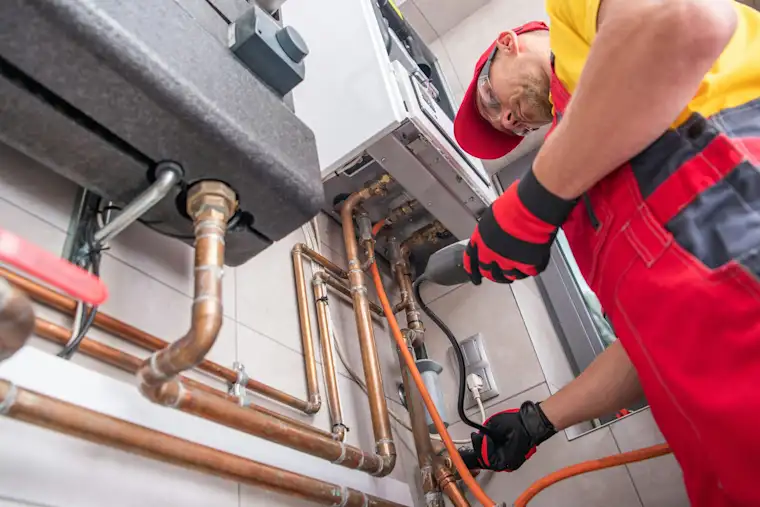 InsuranceWhat does it cost a tradesman when a job goes wrong? Five years of real claims
A cable you could not see, a joint that was not quite tight, a ladder that slides. Real figures on how often things go wrong on the job in your trade, and what the bill looks like.
 InsuranceSole trader insurance in Ireland: what you actually need
The request for proof of cover usually lands after you have won the work, with the start date already agreed. Here is how to know which covers apply to you before that happens.
InsuranceDo you need public liability insurance in Ireland? Who asks for it, and whyNot required by Irish law, but often required by the people you work for. Who asks for public liability, at what limit, and what to check before you sign.
InsuranceWhat does it cost a tradesman when a job goes wrong? Five years of real claimsA cable you could not see, a joint that was not quite tight, a ladder that slides. Real figures on how often things go wrong on the job in your trade, and what the bill looks like.
InsuranceSole trader insurance in Ireland: what you actually needThe request for proof of cover usually lands after you have won the work, with the start date already agreed. Here is how to know which covers apply to you before that happens.